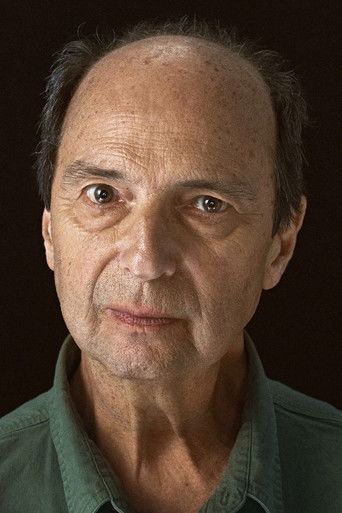
Michel Rivard
Acting
Born 1951-09-27 · Montréal, Québec, Canada
Michel Rivard (born September 27, 1951) is a singer-songwriter and musician from Quebec, born in Montreal. His father, Robert Rivard, was an actor. Michel began his career at an early age appearing in a Canadian television series (Rue des Pignons) and in TV commercials. Rivard's career as a writer and composer began in earnest when he became a member of the theatrical group Quenouille Bleue, established in 1970. Later, he became a member of Théâtre Sainfoin, when it was founded in 1973. In 1974, Rivard and other members of Théâtre Sainfoin, formed the group Beau Dommage (an old Québécois expression meaning "certainly" or "damn right"). Rivard wrote and composed for Beau Dommage. Beau Dommage became a very popular group, and as a result of his songwriting ability Rivard's popularity increased as well. Perhaps his most popular song from this era is "La complainte du phoque en Alaska". Although Beau Dommage disbanded in 1978, there were reunion concerts in 1984 and 1994, both of which Rivard participated in. Characteristic of Rivard's creative energy, he also put out his first solo album in 1977, Méfiez-vous du grand amour. In 1978, as a sign of his increased prestige, Michel opened for Maxime Le Forestier and was accompanist for Forestier at the Olympia in Paris. Although an unlikely pairing, it resulted in a continued friendship. Rivard released his second LP, De Longueuil à Berlin, in 1979; that year also marked the beginning of Rivard's appearance in a series of concerts in Paris. The following years saw Rivard involved in various collaborations, including film collaborations. These film collaborations included roles in Les Enfants de Kennedy, and Maria Chapdelaine. He also wrote scores for films, such as André Melançon's L'Espace d'un été, and Jean-Michel Ribes's Rien ne va plus. He also acted playing the lead Yves Simoneau's Pourquoi l'étrange Monsieur Zolock s'intéressait-il tant à la bande dessinée? (Why is the Strange Mr. Zolock so interested in Comic Strips?) (1982). He joined the LNI (Ligue nationale d'improvisation [National Improvisation League]) in 1980 and performed for several years. Not wanting to miss an opportunity for some political humour, Rivard was a candidate for the satirical Rhinoceros Party of Canada in 1980 when he ran against former Prime Minister Pierre Trudeau. He returned to music in 1983 with the release of his third LP, Sauvage. This LP included "Schefferville, le dernier train", a tune that became quite popular and which was written for the film Le Dernier glacier. (Rivard also acted in this film). Rivard made a music video of another song on Sauvage: "Rumeurs sur la ville". It was directed by Louis Saia and André Gagnon and won the Félix Video Clip of the Year for 1985 – awarded at the ADISQ (Association du disque, de l'industrie du spectacle québécois et de la vidéo) award ceremonies. During this time Rivard toured Quebec. He released a fourth LP, called Bonsoir... Mon nom est Michel Rivard et voici mon album double. This was a live recording made during his 1983 and 1984 concerts. These live show recordings display his adeptness at comic improvisation as well as his musical creativity. ... Source: Article "Michel Rivard" from Wikipedia in English, licensed under CC-BY-SA 3.0.
Acting
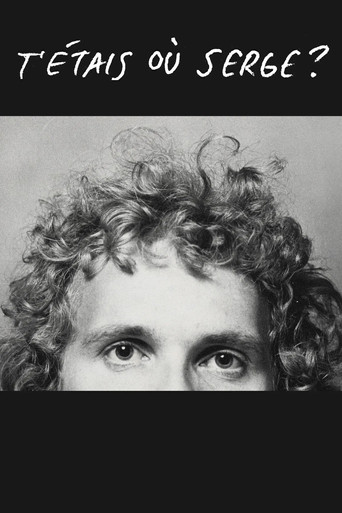
T'étais où Serge?
Self

Gilles Vigneault : au coeur du pays

Chef d'orchestre
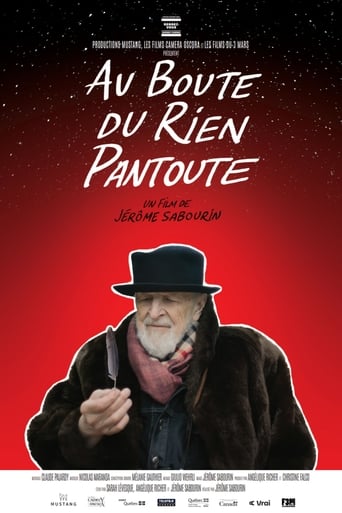
At the End of Nothing at All
Self
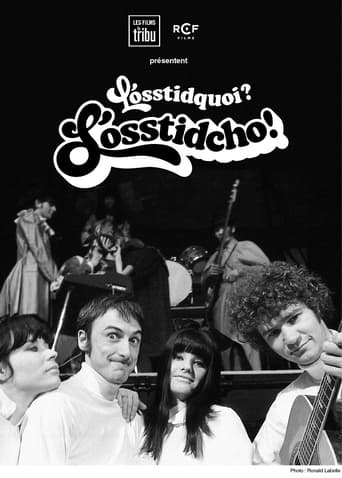
L'osstidquoi ? L'osstidcho!
Self

Salebarbes aux Îles
Self
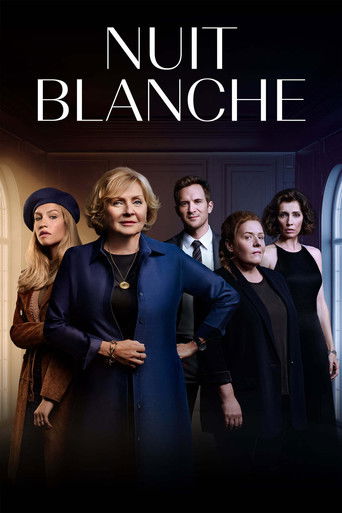
White Night
Bertrand Desmarais
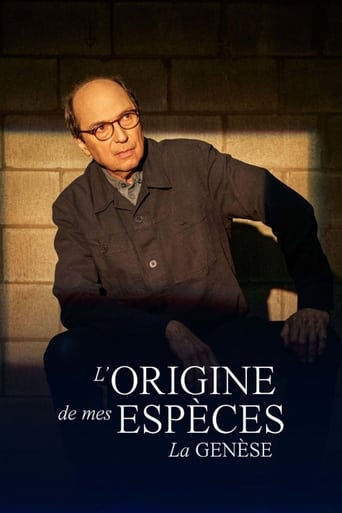
L’origine de mes espèces, la genèse
Ensemble pour les Fêtes avec Isabelle Boulay
Self

Dans la télé de...
Self
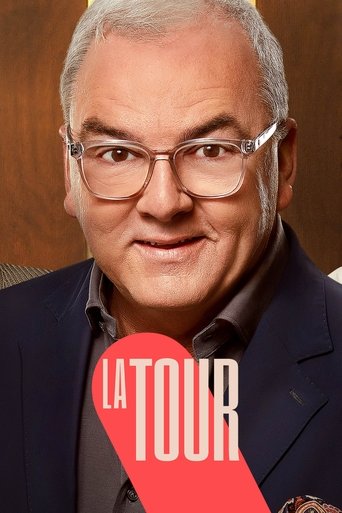
La tour
Self - Guest
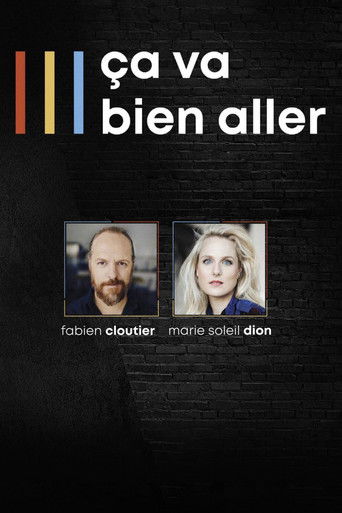
Ça va bien aller
Self - Guest

La table de Kim
Self

Bonsoir bonsoir!
Self
L'effet Wow
Self
Cette année-là
Self
Pour emporter
Self
LNI : 40 ans d'improvisation

La vraie nature
Self

Y'a du monde à messe
Self
MTL
Self
Microphone
Self
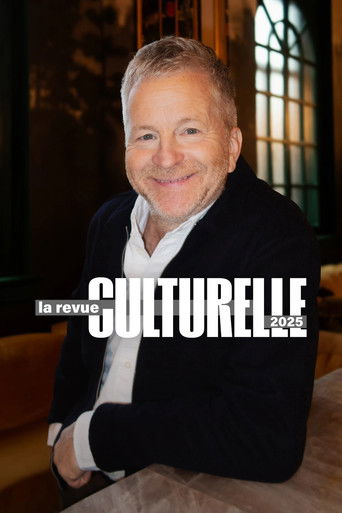
La revue culturelle
Self
Deschampsons
Self

PaparaGilles
Self
En mode Salvail
Self
Les Enfants de la télé
Self

En direct de l'univers
Self
J'ai la mémoire qui tourne
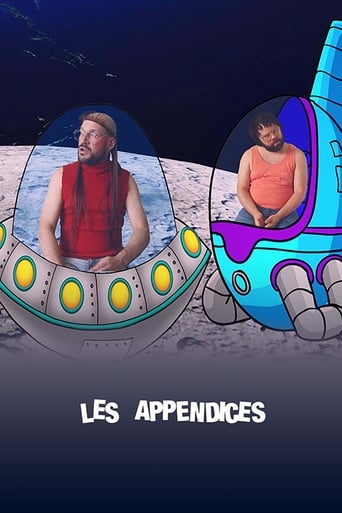
Les Appendices
Self