

Louise Beavers
Acting
Born 1902-03-08 · Cincinnati, Ohio, USA · Died 1962-10-26
From Wikipedia, the free encyclopedia Louise Beavers (March 8, 1902 – October 26, 1962) was an American film and television actress. Beavers appeared in dozens of films and two hit television shows from the 1920s until 1960, most often cast in the role of a maid, servant, or slave. She was a native of Cincinnati, Ohio, and a member of Sigma Gamma Rho sorority, one of the four African-American sororities. Beavers was a breakthrough actress for black women and became known as a symbol of a "mammy" on the screen. A mammy archetype "is the portrayal within a narrative framework or other imagery of a black domestic servant, generally good-natured, often overweight, and loud". Louise Beavers started her career in the 1920s. At the time, black people in films were limited to acting in only very few roles, usually as slaves or domestic help. She played the "mammy" in many of the movies she acted in. She started to gain more attention in the acting world after she played the role of Julia in Coquette, which starred Mary Pickford. In this film she played the black maid and mother figure to a young white woman. She once received a review which stated: "Personally, Miss Beavers is just splendid, just as fine as she appears on screen, but she also has a charm all her own, which needs no screen role for recognition. She has a very pleasing personality, one that draws people to her instantly and makes them feel that they are meeting a friend instead of a Hollywood Star." Beavers had an attractive personality, and often played roles in which she helps a white protagonist mature in the course of the movie. In 1934, Beavers played Delilah in Imitation of Life in a dramatic role. Her character again plays a black maid, but instead of the usual stereotypical comedic or purely functional role, Delilah's story line is a secondary parallel plot. The public reacted positively to Beavers' performance. It was not only a breakthrough for Beavers, but was also "the first time in American cinema history that a black woman's problems were given major emotional weight in a major Hollywood motion picture". Some in the media recognized the unfairness of Hollywood's double standard regarding race. For example, California Graphic Magazine wrote, "the Academy could not recognize Miss Beavers. She is black!" As Beavers' career grew, some criticized her for the roles she accepted, alleging that such roles institutionalized the view that blacks were subservient to whites. Beavers dismissed the criticism. She acknowledged the limited opportunities available, but said: "I am only playing the parts. I don't live them." As she became more famous, Beavers began to speak against Hollywood's portrayal and treatment of black Americans, both during production and after promoting the films. Beavers became active in public life, seeking to help support African Americans. In later life, Beavers was plagued by health issues, including diabetes. She died on October 26, 1962, at the age of 60, following a heart attack. Beavers was inducted into the Black Filmmakers Hall of Fame in 1976.
Acting
Make Room for Granddaddy
The Facts of Life
Gussie
All the Fine Young Cannibals
Rose

The Swamp Fox

Bourbon Street Beat
Mrs. Teale
The Goddess
The Cook

Tammy and the Bachelor
Osia

The Hostess with the Mostes'
Mattie Mae
Teenage Rebel
Willamay
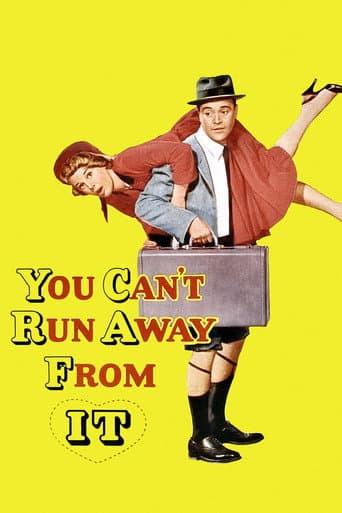
You Can't Run Away from It
Maid
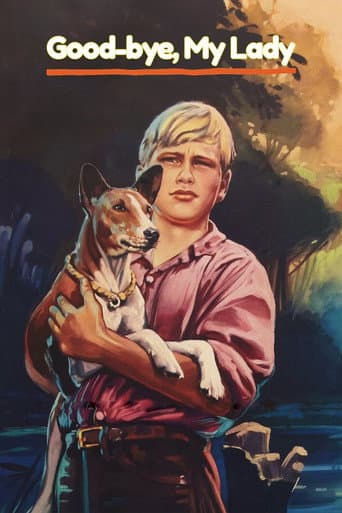
Good-bye, My Lady
Bonnie Drew

The Danny Thomas Show
Louise
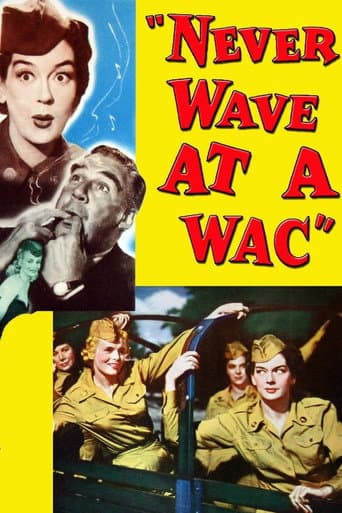
Never Wave at a WAC
Artamesa

I Dream of Jeanie
Mammy

Colorado Sundown
Mattie, Jackie's Maid
The Beulah Show
Beulah

My Blue Heaven
Selma
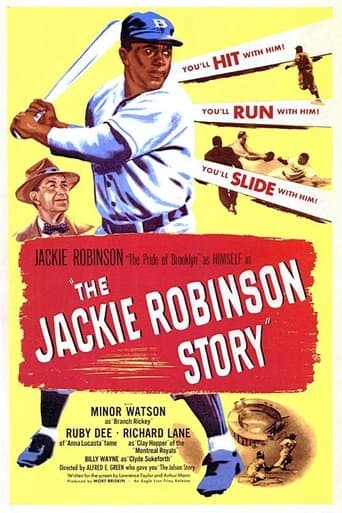
The Jackie Robinson Story
Jackie's Mother
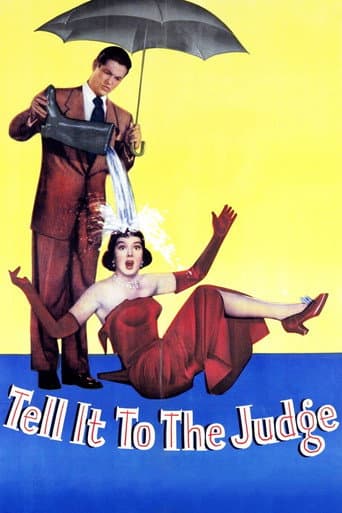
Tell It to the Judge
Cleo, Marsha's Maid (uncredited)

For the Love of Mary
Bertha
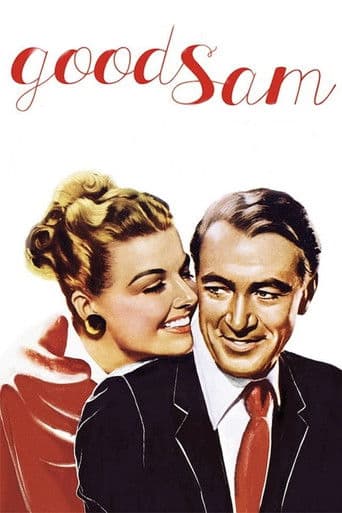
Good Sam
Chloe
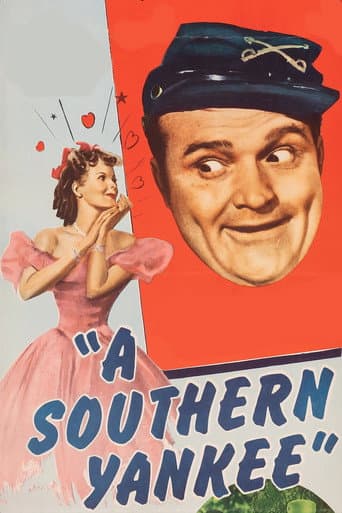
A Southern Yankee
Laundry Woman
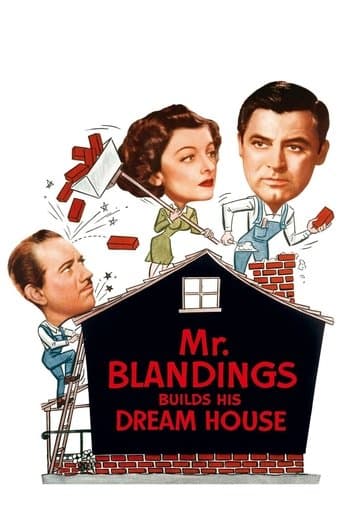
Mr. Blandings Builds His Dream House
Gussie
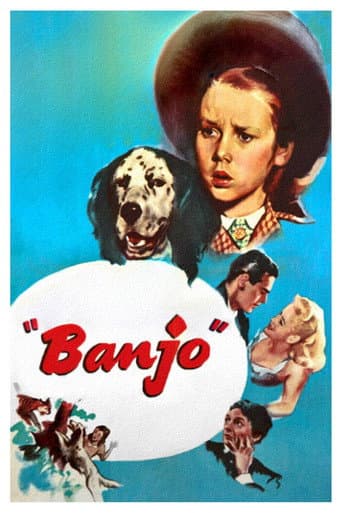
Banjo
Lindy

Lover Come Back
Martha
Lover Come Back
Martha, Kay's Maid

Young Widow
Rosie

Delightfully Dangerous
Hannah

Barbary Coast Gent
Bedelia

Dixie Jamboree
Opal