
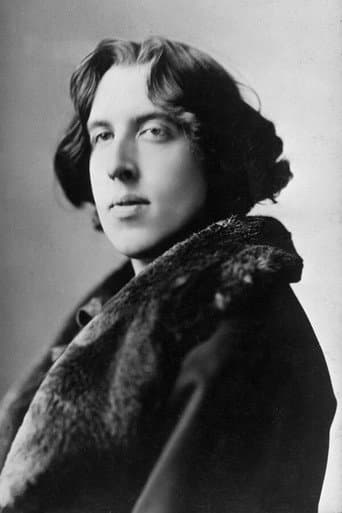
Oscar Wilde
Writing
Born 1854-10-16 · Dublin, Ireland · Died 1900-11-30
From Wikipedia, the free encyclopedia Oscar Fingal O'Flahertie Wills Wilde (16 October 1854 – 30 November 1900) was an Irish writer and poet. After writing in different forms throughout the 1880s, he became one of London's most popular playwrights in the early 1890s. Today he is remembered for his epigrams, plays and the circumstances of his imprisonment, followed by his early death. Wilde's parents were successful Dublin intellectuals, and their son showed his intelligence early by becoming fluent in French and German. At university Wilde read Greats; he proved himself to be an outstanding classicist, first at Dublin, then at Oxford. He became known for his involvement in the rising philosophy of aestheticism (led by two of his tutors, Walter Pater and John Ruskin), though he also profoundly explored Roman Catholicism, to which he would later convert on his deathbed. After university, Wilde moved to London into fashionable cultural and social circles. As a spokesman for aestheticism, he tried his hand at various literary activities: he published a book of poems, lectured in the United States of America and Canada on the new "English Renaissance in Art", and then returned to London where he worked prolifically as a journalist. Known for his biting wit, flamboyant dress, and glittering conversation, Wilde had become one of the most well-known personalities of his day. At the turn of the 1890s, he refined his ideas about the supremacy of art in a series of dialogues and essays, and incorporated themes of decadence, duplicity, and beauty into his only novel, The Picture of Dorian Gray (1890). The opportunity to construct aesthetic details precisely, and combine them with larger social themes, drew Wilde to write drama. He wrote Salome (1891) in French in Paris but it was refused a licence. Unperturbed, Wilde produced four society comedies in the early 1890s, which made him one of the most successful playwrights of late Victorian London. At the height of his fame and success, whilst his masterpiece, The Importance of Being Earnest (1895), was still on stage in London, Wilde sued the father of his lover, Lord Alfred Douglas, for libel. After a series of trials, Wilde was convicted of gross indecency with other men and imprisoned for two years, held to hard labour. In prison he wrote De Profundis (1905), a long letter which discusses his spiritual journey through his trials, forming a dark counterpoint to his earlier philosophy of pleasure. Upon his release he left immediately for France, never to return to Ireland or Britain. There he wrote his last work, The Ballad of Reading Gaol (1898), a long poem commemorating the harsh rhythms of prison life. He died destitute in Paris at the age of forty-six. Description above from the Wikipedia article Oscar Wilde, licensed under CC-BY-SA, full list of contributors on Wikipedia.
Acting

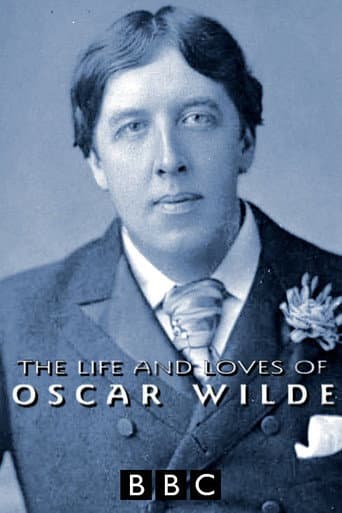
Crew

Dorian Gray, or Narcissus Through the Looking Glass
Writer

The Portrait of Dorian Gray
Novel
SALOME
Writer

National Theatre Live: The Importance of Being Earnest
Writer

Salomé
Original Film Writer

Oscar
Writer

The Canterville Ghost
Short Story

Salomé
Writer

expulsion
Original Story
Blue Moon Once
Writer

Salomé (Opéra de Paris)
Writer

Being Earnest
Writer
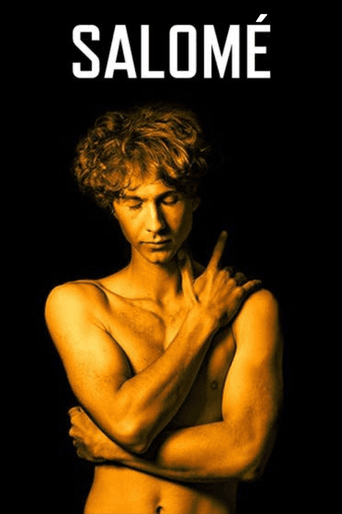
Salomé
Writer

The Picture of Dorian Gray
Novel

The importance of being Earnest
Theatre Play
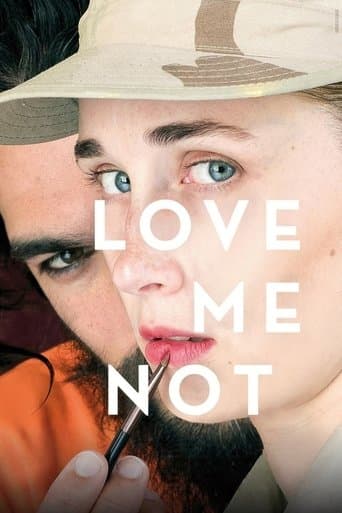
Love Me Not
Original Story
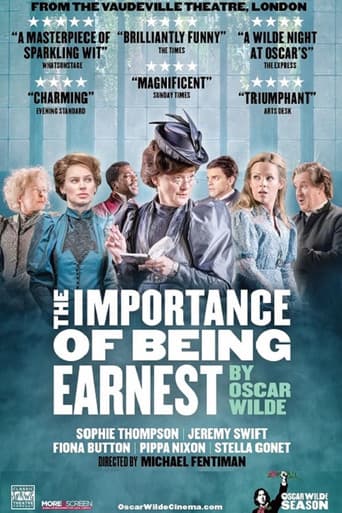
The Importance of Being Earnest
Theatre Play
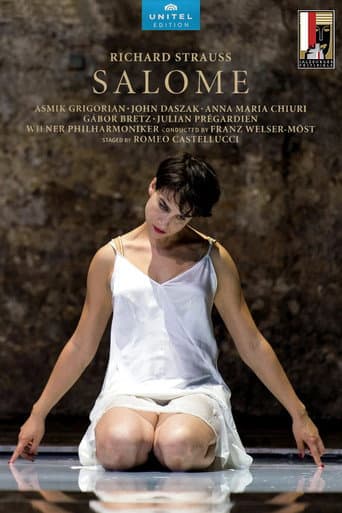
Strauss: Salome
Writer
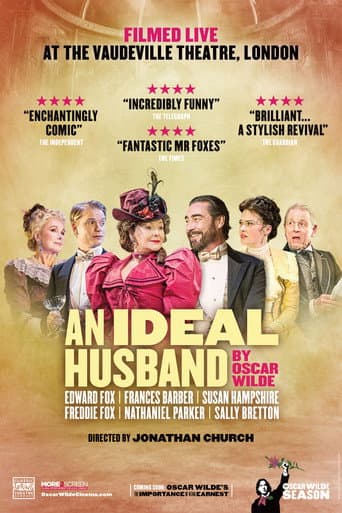
An Ideal Husband
Writer
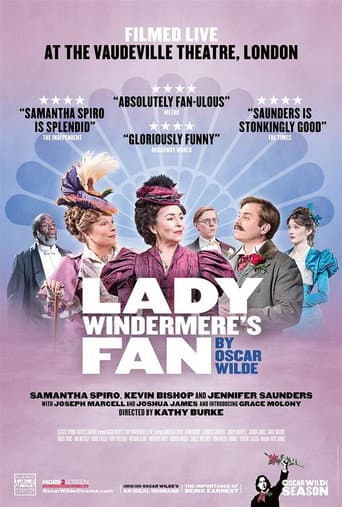
Lady Windermere's Fan
Writer