
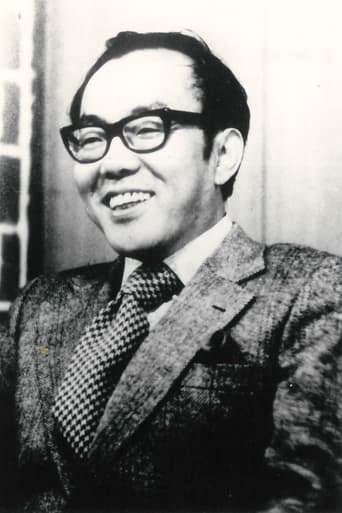
Shūsaku Endō
Writing
Born 1923-03-27 · Toshima City, Tokyo, Japan · Died 1996-09-29
Endō Shūsaku, (born March 27, 1923, Tokyo, Japan—died Sept. 29, 1996, Tokyo), Japanese novelist noted for his examination of the relationship between East and West through a Christian perspective. Endō became a Roman Catholic at age 11 with the encouragement of his mother and an aunt. At Keio University he majored in French literature (B.A., 1949), a subject he studied from 1950 to 1953 at the University of Lyon in France. His first collections of fiction, Shiroi hito and Kiiroi hito (both 1955; “White Man” and “Yellow Man”), indicate the direction of most of his later fiction: they contrast Japanese and Western experience and perspectives. In Umi to dokuyaku (1957; The Sea and Poison), he examines the Japanese sense of morality in a war story about Japanese doctors performing a vivisection on a downed American pilot. One of Endō’s most powerful novels, Chimmoku (1966; Silence), is a fictionalized account of Portuguese priests who traveled to Japan and the subsequent slaughter of their Japanese converts. This novel and Samurai (1980; The Samurai)—a fascinating account of a samurai’s journey on behalf of his shogun to open trade with Mexico, Spain, and Rome—are considered his best writing, showing the complexities of the interactions between cultures as well as presenting a supple and well-told narrative. Endō’s other extended fiction includes Kazan (1959; Volcano), Kuchibue o fuku toki (1974; When I Whistle), Sukyandaru (1986; Scandal), and a number of comic novels. He also wrote short stories, drama, essays, and a biography.
Crew
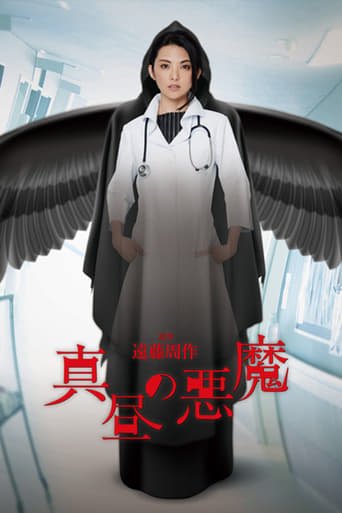
The Midday Devil
Novel
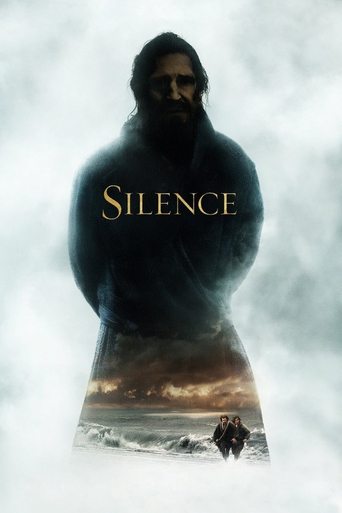
Silence
Novel
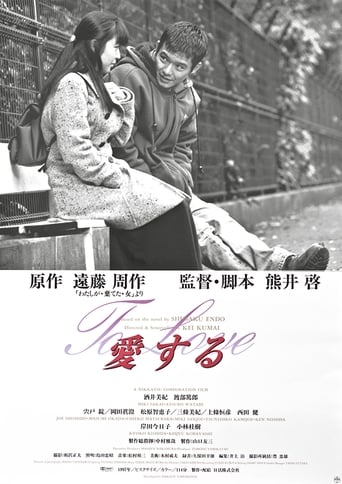
To Love
Novel
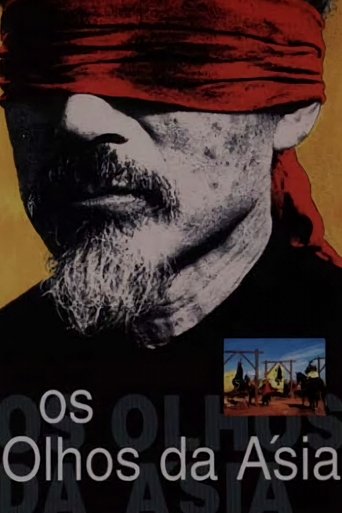
The Eyes of Asia
Novel
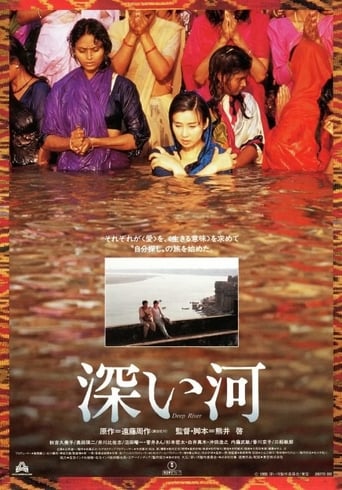
Deep River
Novel
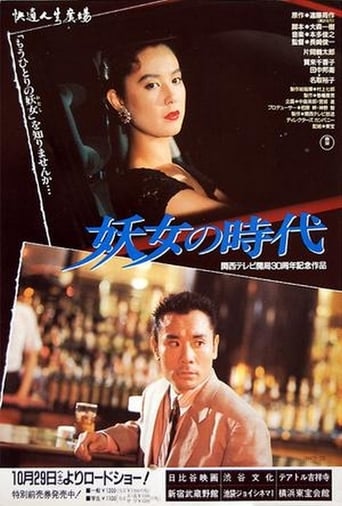
Yojo no jidai
Original Story
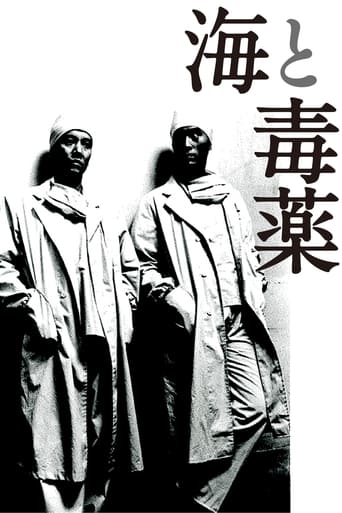
The Sea and Poison
Novel

Afternoon of the Evil Spirits
Writer
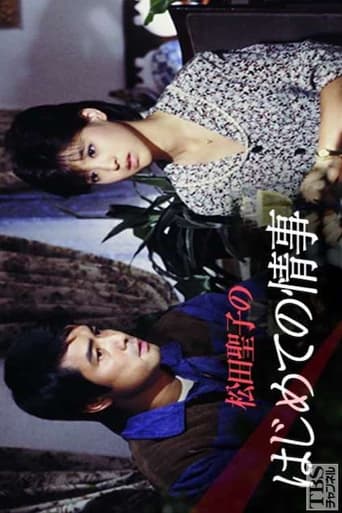
松田聖子のはじめての情事
Novel
Voice from the Dark
Original Story
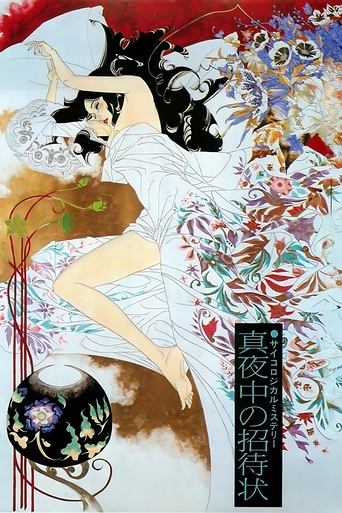
Call from Darkness
Novel
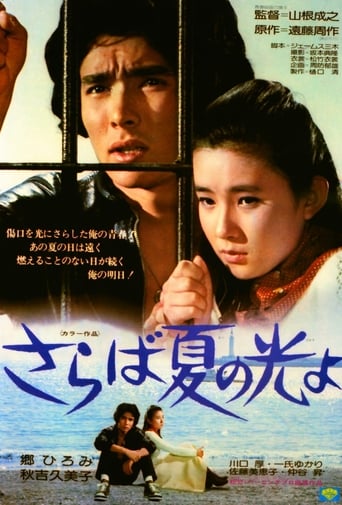
Light and Shade of Youth
Original Story

Silence
Screenplay
Silence
Novel
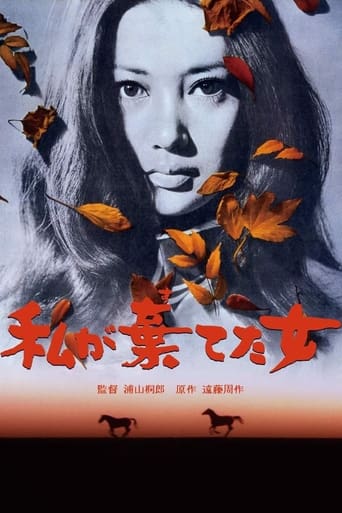
The Girl I Abandoned
Novel
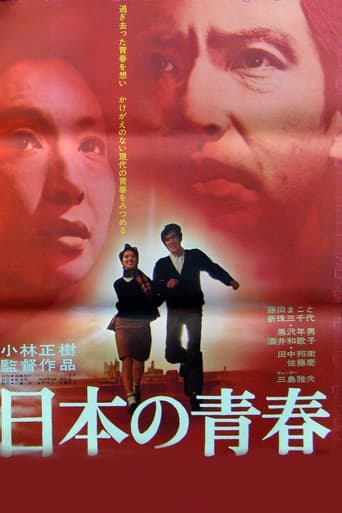
Hymn to a Tired Man
Novel