
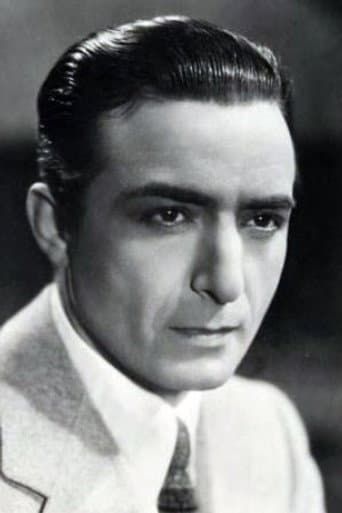
Fosco Giachetti
Acting
Born 1900-03-28 · Sesto Fiorentino - Tuscany - Italy · Died 1974-12-22
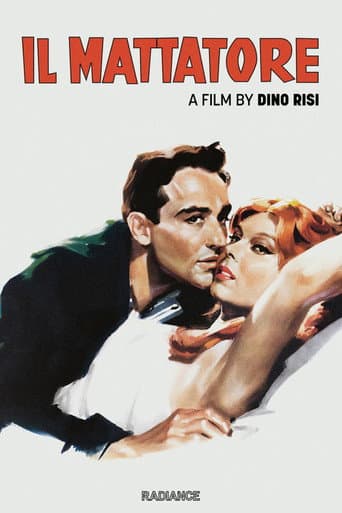
Fosco Giachetti (28 March 1900, in Sesto Fiorentino – 22 December 1974, in Rome) was an Italian actor. Fosco Giachetti was the protagonist of Lo squadrone bianco (1936), directed by Augusto Genina. He became the leading man in Fascist propaganda films such as Tredici uomini e un cannone (1936), Sentinelle di bronzo (1937), Scipione l'Africano, Edgar Neville's Italian Carmen fra i rossi (1939), L'assedio dell'Alcazar (1940) and Bengasi (1942). In 1942, he also co-starred in Goffredo Alessandrini's two part Noi Vivi and Addio Kira!. Un colpo di pistola (1942) by Renato Castellani and Fari nella nebbia (1942) by Gianni Franciolini were not as successful as his earlier films. After the war, he returned to the stage. He worked in Spain with Edgar Neville in Nada and in Carne de horca. He had a supporting role in 1959 Dino Risi's successful comedy Il mattatore. In 1964, he appeared in an adaptation of A. J. Cronin's novel, The Citadel. In 2003, the Galleria Fosco Giachetti in Sesto Fiorentino was opened in his honor.
Acting
The Inheritor
Luigi Balazzi

Scipio the African
Aulio Gellio
The Conformist
The Colonel

Another Man's Wife
Alberto
I racconti del faro
Libero

Il Conte di Montecristo
Bertuccio
Quinta colonna
Il maggiore Stone
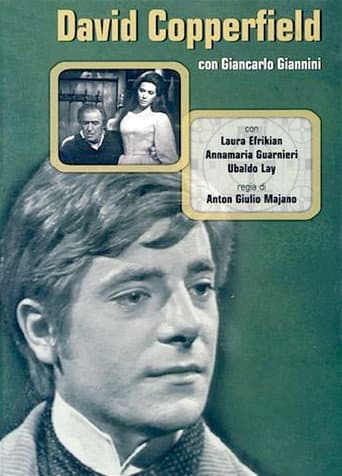
David Copperfield
Daniel Peggotty
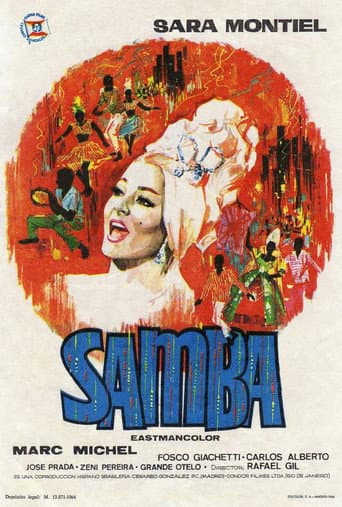
Samba
João Fernandes de Oliveira
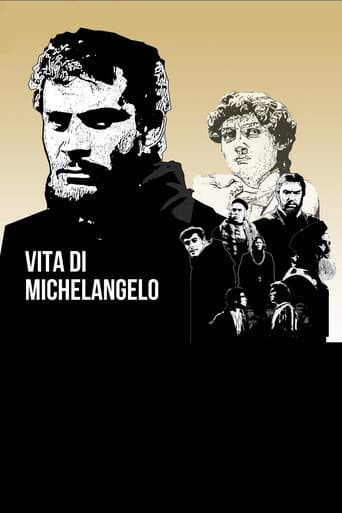
Vita di Michelangelo
Ludovico Buonarroti

Jacob: The Man Who Fought with God
Abramo
Giacobbe ed Esau
Isacco - Isaac
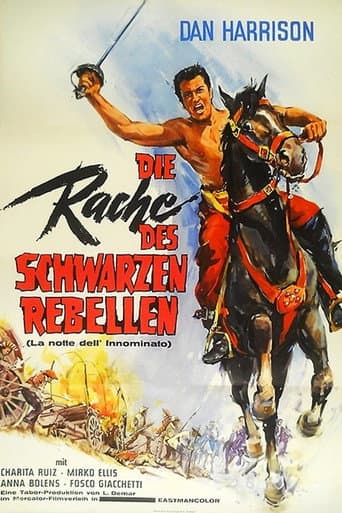
La notte dell'innominato
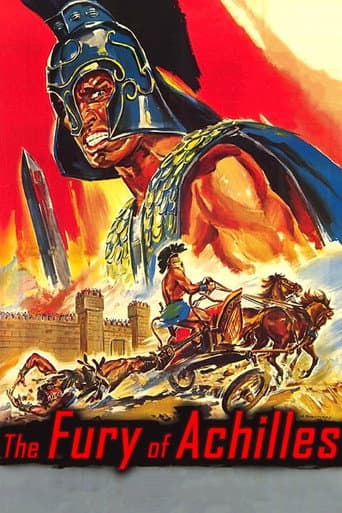
The Fury of Achilles
Priamos
Plains of Battle
Voivode

The Nun of Monza
Monsignor Barca

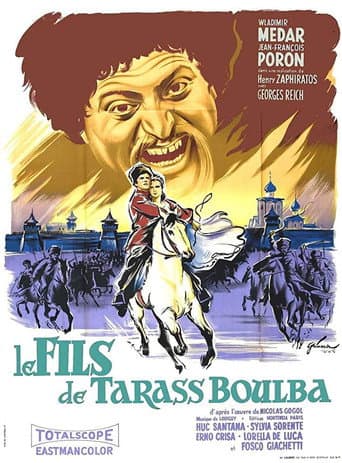
Taras Bulba
Voivode

Conqueror of the Orient
Omar - Nadir's Father
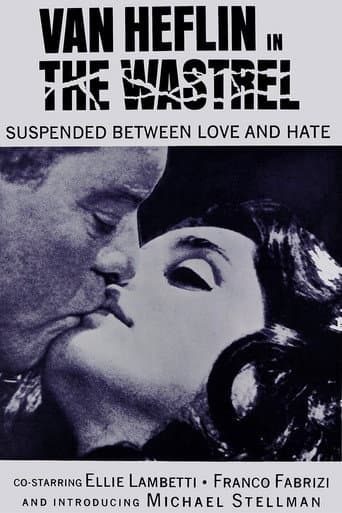
The Wastrel
Captain Hugh Hardy

Re Lear
Love and Larceny
General Benito Mesci
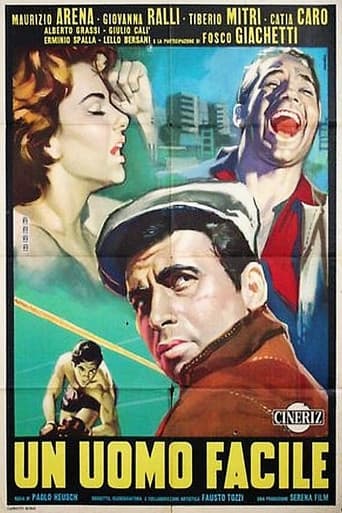
Un uomo facile
Doctor boxing
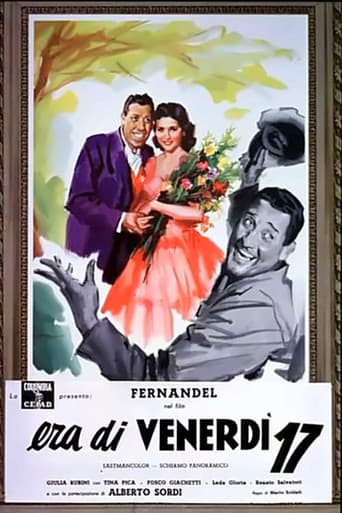
The Virtuous Bigamist
Antonio

House of Ricordi
Giuseppe Verdi
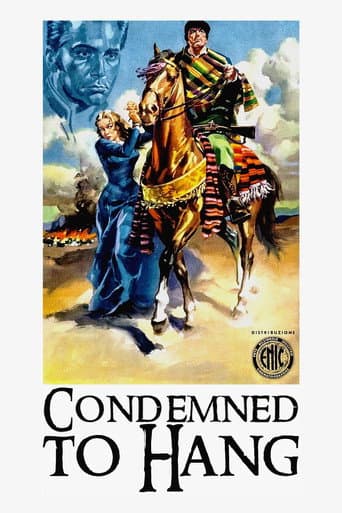
Condemned to Hang
Lucero

Quattro rose rosse
Antonio Berti

The Counterfeiters
Ispettore Moroni
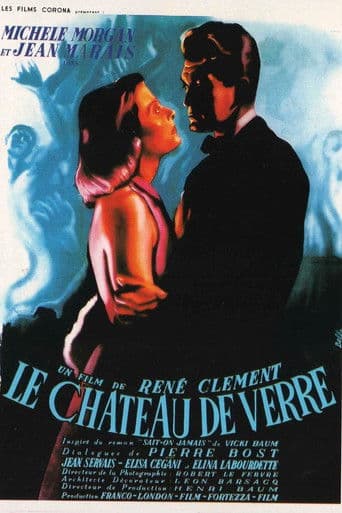
The Glass Castle
Laurent Bertal (Italian version)

Romanticismo
Tito Ansperti
Vento d'Africa