
Eugen Schüfftan
Camera
Born 1893-07-21 · Breslau, Silesia, Germany [now Wroclaw, Dolnoslaskie, Poland] · Died 1977-09-06
From Wikipedia, the free encyclopedia Eugen Schüfftan (21 July 1893, Breslau, Silesia, Germany, now Wroclaw, Poland – 6 September 1977, New York City) was a German Jewish cinematographer. He invented the Schüfftan process, a special effects technique that employed mirrors to insert actors into miniature sets. One of the first uses of the process was for Metropolis (1927), directed by Fritz Lang. The technique was widely used throughout the first half of the 20th century until it was supplanted by the travelling matte and bluescreen techniques. Schüfftan won the 1962 Academy Award for Best Cinematography, Black-and-White for his work on the film The Hustler.
Crew
Chappaqua
Camera Operator
The Doctor Speaks Out
Director of Photography
Three Rooms in Manhattan
Director of Photography
The Big Scare
Director of Photography
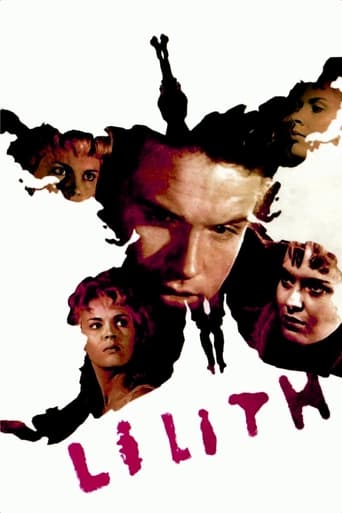
Lilith
Director of Photography
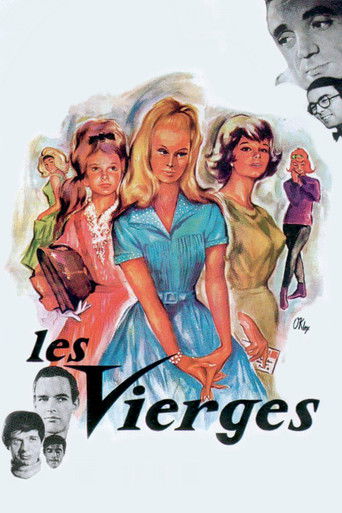
The Virgins
Director of Photography
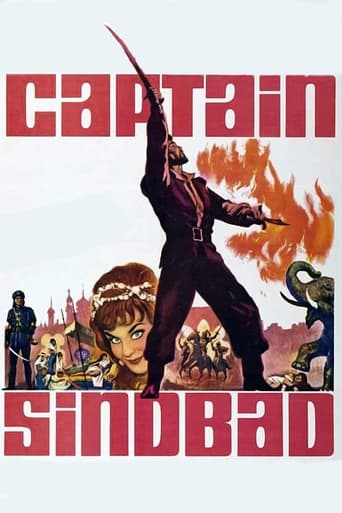
Captain Sindbad
Cinematography
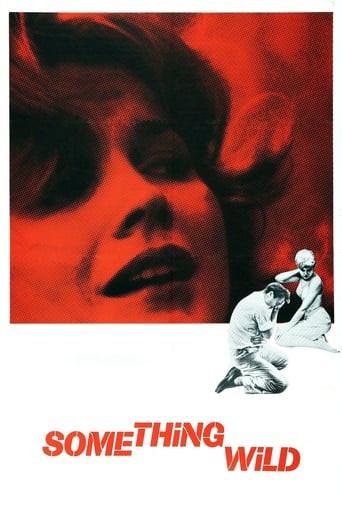
Something Wild
Director of Photography
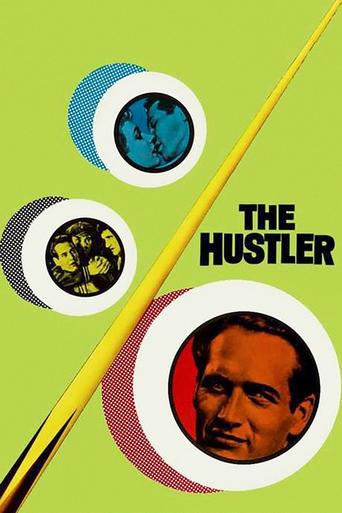
The Hustler
Director of Photography
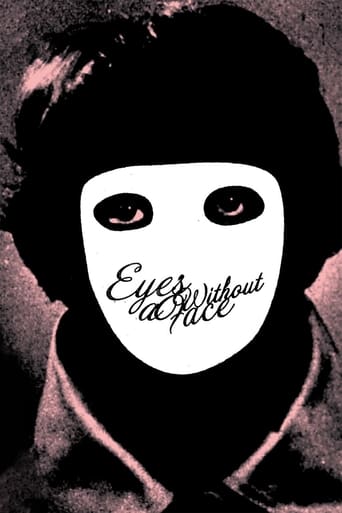
Eyes Without a Face
Director of Photography
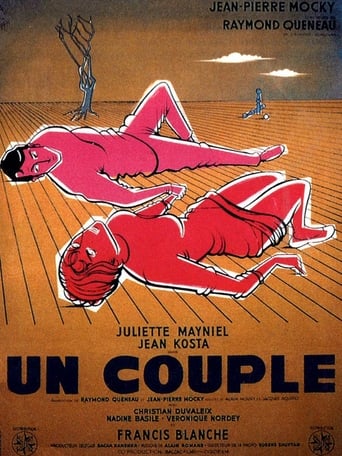
A Couple
Director of Photography
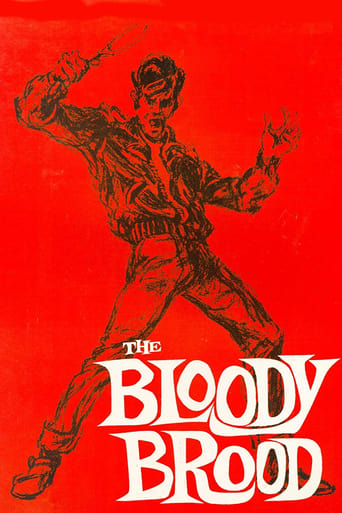
The Bloody Brood
Director of Photography
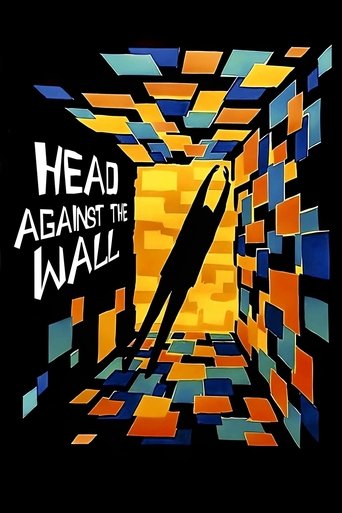
Head Against the Wall
Director of Photography
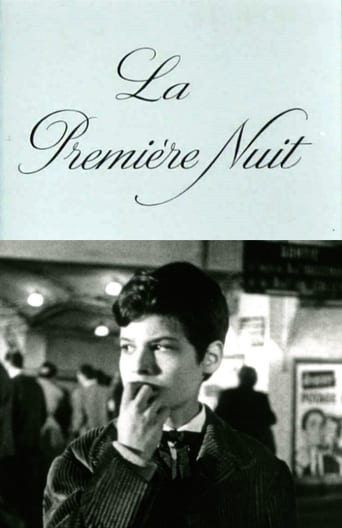
The First Night
Director of Photography
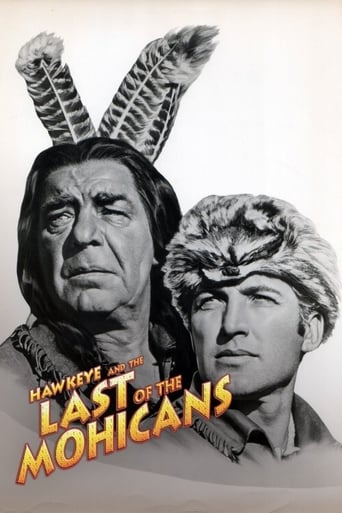
Hawkeye and the Last of the Mohicans
Director of Photography
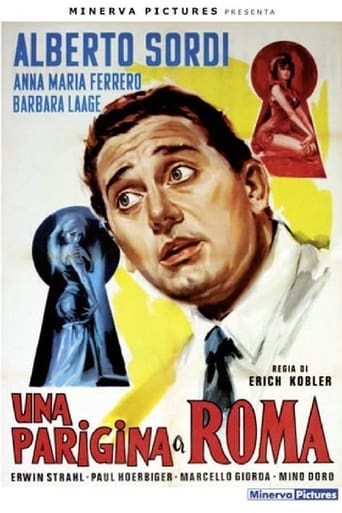
A Parisian in Rome
Director of Photography
Ulysses
Special Effects
The Venus of Tivoli
Director of Photography
The Crimson Curtain
Director of Photography
Mina de Vanghel
Director of Photography